


The Hidden Closes of Edinburgh
“Stay Hidden” is the October theme by Forever Edinburgh, so we have put together this piece, allowing you to step off the beaten path and uncover the secrets of Edinburgh’s hidden closes. Enjoy the read, and when you are ready, come and take a wander for yourself.
Uncover the hidden closes of Edinburgh’s Old Town, where each passageway carries centuries of history. Walk in the footsteps of nobles and writers, uncover the secrets of criminals, and perhaps even sense the presence of restless spirits. Next time you wander along the Royal Mile, take a moment to explore a close or two. Just a word of warning: after dark, their shadowy corners can feel quite eerie… so you might want to bring a friend along for the adventure!

Advocates Close
Tucked opposite St Giles’ Cathedral, this scenic close links The Royal Mile with Cockburn Street. Its name dates back to Sir James Stewart of Goodtrees, Lord Advocate of Scotland in the late 17th and early 18th century, who once resided here. Today, it’s one of Edinburgh’s most photographed spots, offering breathtaking glimpses of the city skyline.

The Real Mary King’s Close
Hidden beneath the City Chambers lies one of Edinburgh’s most atmospheric sites. Preserved 17th-century homes, long sealed off from the public, reveal a frozen slice of the city’s past. The ancient close, steeped in ghostly legends, is now one of Edinburgh’s most unforgettable attractions.
Photo Credit: The Real Mary King’s Close
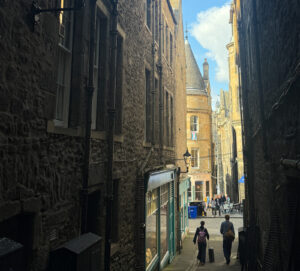
Fleshmarket Close
Once home to Edinburgh’s meat market and slaughterhouses, this Close played a gory yet vital role in feeding the city. Meat was hung along the alley, with blood trickling down its steep slope, draining toward the Nor’ Loch below.
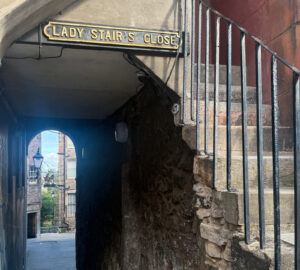
Lady Stair's Close
Step through a dark passageway to uncover a hidden courtyard featuring a picturesque 17th-century townhouse. Once the residence of the first Countess of Stair, it now houses the Writers’ Museum, celebrating Robert Burns, Sir Walter Scott and Robert Louis Stevenson.
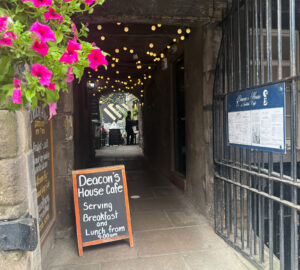
Brodie’s Close
Named after the notorious Deacon William Brodie, a respected cabinetmaker and city councillor by day, but a burglar by night. His double life inspired Robert Louis Stevenson’s Dr Jekyll and Mr Hyde. Pop into the Deacon Brodie’s Tavern opposite Brodie’s Close or into Deacon’s House Cafe in the Close to raise a glass to one of Edinburgh’s most infamous scoundrels.
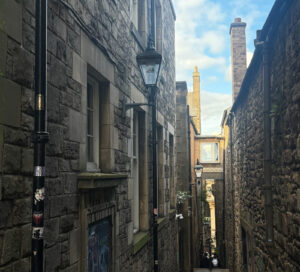
Anchor’s Close
This close takes its name from the Anchor Tavern, once run by the formidable Fanny Douglas and her husband. It became the lively meeting place of the “Crochallan Fencibles,” an 18th-century convivial club. Like Advocates Close, it links the bustling Royal Mile with Cockburn Street.