


September Whiskies of the Month
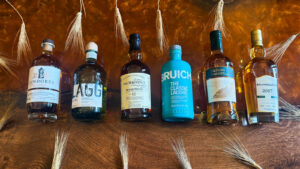
September Whiskies of the Month: ‘From Grain to Glass’ is the idea that every whisky tells a story that begins long before it reaches the bottle. It starts in the fields, where barley is grown and shaped by its terroir; the soil, climate, and environment where it is grown. This continues through malting, distillation, and maturation. By tracing this journey, distilleries highlight their connection to the land, the farmers, and the communities that produce our spirits, ensuring that every dram reflects the story of its origin.
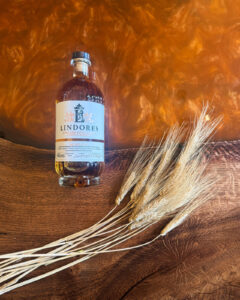
Lowland - Lindores MCDXCIV (Lindores Abbey Distillery)
Widely considered the spiritual home of Scotch whisky, the Abbey itself has stood for centuries, but its claim to fame comes from the Exchequer Rolls of 1494, which record King James IV granting “8 bols of malt” to Friar John Cor for the production of Aqua Vitae. This is the first known written reference to whisky in Scotland, making Lindores a place of both historical and spiritual significance for whisky lovers around the world. After centuries of silence, the distillery was re-established in 2017.
Today, Lindores continues to honour this heritage by sourcing a portion of its barley from the nearby Falkland Estate, farmland once tied to the Abbey itself, ensuring that the whisky remains deeply rooted in the soils that supported Scotland’s earliest distillers. By working closely with local farmers, the distillery preserves a tradition that stretches back over 500 years, turning the fields of Fife into spirit once again.
The MCDXCIV is produced from their own harvest of Laureate barley, matured in a mixture of bourbon, sherry and STR barriques.
Nose – Elegant, soft, mellow vanilla, caramel notes playing with orchard fruits and sweet pear drops. Reminiscent of toffee apples.
Palate – Smooth with a creamy texture and a perfect balance of mellow vanilla, dried fruits, citrus touches with a hint of spice.
Finish – Medium length, delicate but lingering finish.
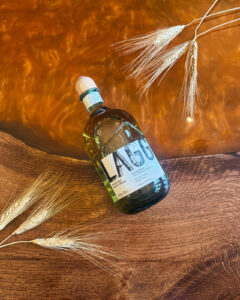
Highland - Lagg Kilmory (Isle of Arran Distillers)
Below the highland boundary fault, on the southern coast of Arran, lies Lagg Distillery. The distillery was opened in 2019 to complement the island’s first distillery in over 150 years at Lochranza. While Lochranza produces a lighter style of whisky, Lagg was designed specifically for crafting robust, peated malts, reviving a tradition that once defined much of the island’s whisky production. Its modern stillhouse sits amid rolling farmland and overlooks sweeping coastal views, with a striking reminder that whisky-making here is inseparable from the stunning and rugged environment.
Barley grown in the fields surrounding Lagg Distillery makes a short journey directly into the mill. Although just 4–5% of the distillery’s total grain requirement, this local harvest is enough to fulfil production for one week each year, making every drop produced, a celebration of Arran’s land and climate. Visitors can see the fields from the stillhouse, showcasing the distillery’s philosophy of whisky rooted in place.
Lagg Kilmory is crafted entirely from Concerto barley and exclusively filled into first-fill bourbon barrels.
Nose – Heather smoke and charred citrus
Palate – An initial burst of fruit gives way to subtle bonfire smoke
Finish – Citrus, smoke, vanilla, long lasting
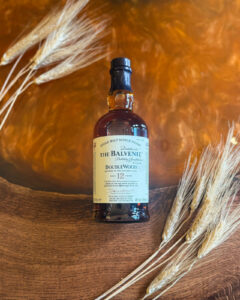
Speyside - Balvenie 12 DoubleWood (William Grant & Sons)
Situated in Dufftown, The Balvenie is one of few distilleries in Scotland that still maintain traditional practices across virtually every stage of whisky production. Founded in 1892 by William Grant, it has remained under family ownership, retaining a unique ability to blend innovation with continuity. What sets Balvenie apart is its rare commitment to controlling all aspects of production: from growing its own barley and operating traditional floor maltings, to maintaining a team of dedicated coopers on site. Few distilleries can claim to have such an unbroken chain of craft.
The Balvenie Mains, the distillery’s own 1,000-acre farm, grows much of the barley used in production. This grain is then malted on site using traditional floor maltings, one of the last remaining examples in the country. Such dedication to in-house processes creates a tangible link between the land, the people, and the final spirit.
The Balvenie DoubleWood is matured separately in both refill American white oak barrels and fresh European oak sherry casks before being married together.
Nose – Sweet fruit and oloroso sherry notes, layered with honey and vanilla
Palate – Smooth and mellow with beautifully combined flavours – nutty sweetness, cinnamon spiciness and a delicately proportioned layer of sherry
Finish – Long and warming
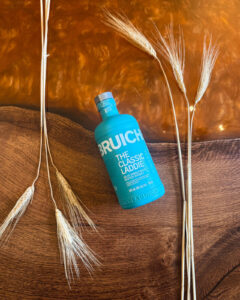
Islay - Bruichladdich The Classic Laddie (Rémy Cointreau)
Standing on the shores of Loch Indaal, Bruichladdich has developed a reputation as one of the most progressive voices in Scotch whisky. Founded in 1881 and revitalised in 2001, the distillery is committed to experimentation and transparency. Bruichladdich has championed the concept of terroir in whisky, insisting that where barley is grown has a profound effect on the spirit’s character. This forward-looking philosophy has redefined what it means to be an Islay distillery.
The Classic Laddie is built on a mash bill (barley recipe) that includes both organic and Islay-grown barley, harvested from their partner farms on the island such as Octomore farm. The distillery team works directly with local farmers, offering a unique transparency in their sourcing and a commitment to the island’s agricultural community.
The Classic Laddie uses a combination of mainland, Islay and organic barley with 7 unique cask types for maturation.
Nose – Opening with barley sugar and a hint of mint before leading into notes of freshly cut wildflowers; buttercup, daisy, meadowsweet, myrtle, primrose and cherry blossom
Palate – A combination of ripe green fruit, brown sugar and sweet malt bring closure
Finish – Mineral-rich malt, with toffee and honey
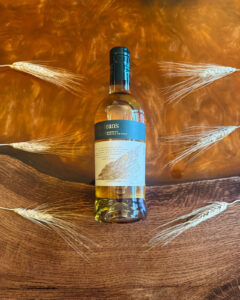
Blend - Maclean’s Nose (Adelphi)
Maclean’s Nose was created by Adelphi, an independent bottler founded in 1993, who opened their own distillery, Ardnamurchan, in 2014. The whisky’s name references the landmark on the Ardnamurchan peninsula and was established as a tribute to the partnership of Adelphi and Charles MacLean, one of the world’s leading whisky writers and educators. Impressively, Charles’ three sons have recently finished a record-breaking row across the Pacific Ocean, unsupported, to raise money for clean water in Madagascar!
Much of the distillery’s barley is sourced from West Fife near their head offices, but sustainability goes further: the label is made from recycled barley husks and draff, by-products of the production process. This innovative reuse closes the loop between grain and packaging, keeping the spirit connected to the crop that gave it life.
Nose – Burnt citrus peel, sea salt, bonfire. Nectarine syrup, marmalade, haybales, coal bunker and oily shed
Palate – Puffed rice, homemade rice pudding and white chocolate. Bright citrus lime pickle. Chantilly cream and Viennetta ice cream
Finish – Decadent- balanced with a wisp of smoke
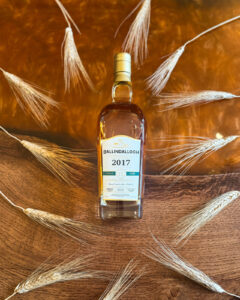
Luxury - Ballindalloch 2017 Refill Virgin Oak (Ballindalloch)
Set within the grounds of the Ballindalloch Estate in Speyside, Ballindalloch Distillery is a unique example of a single-estate operation. The Macpherson-Grant family, whose involvement in the whisky industry dates back centuries, oversee both the estate and the distillery, ensuring whisky-making is integrated into the rhythms of their agricultural tradition.
Ballindalloch’s Single Virgin Cask exemplifies estate-grown authenticity. The distillery grows its own barley on estate fields, while draff from production is returned to the farm to feed cattle. What makes this release exceptional is its maturation: aged in a cask which has only ever held Ballindalloch’s own new make spirit.
Nose – Fresh cut oak, vanilla pods, honeycomb and a hint of orchard fruit
Palate – Creamy and full-bodied; layers of sweet spice, caramel, toasted nuts and a dash of cinnamon
Finish – Long, warming and wood-driven, with a lingering note of clove and charred oak
Written by Stewart Boreland